
It Fell Apart
Sometimes you whiff

All week I’d planned what I intended to be this week’s newsletter in my head, a kind of personal reflection/memoir jumping off from the wonderful new book, The Dog’s Gaze by Thomas Laqeuer, a historical/cultural study/examination/reflection on the images of dogs in art objects over time that I reviewed at the Chicago Tribune a couple of weeks ago.
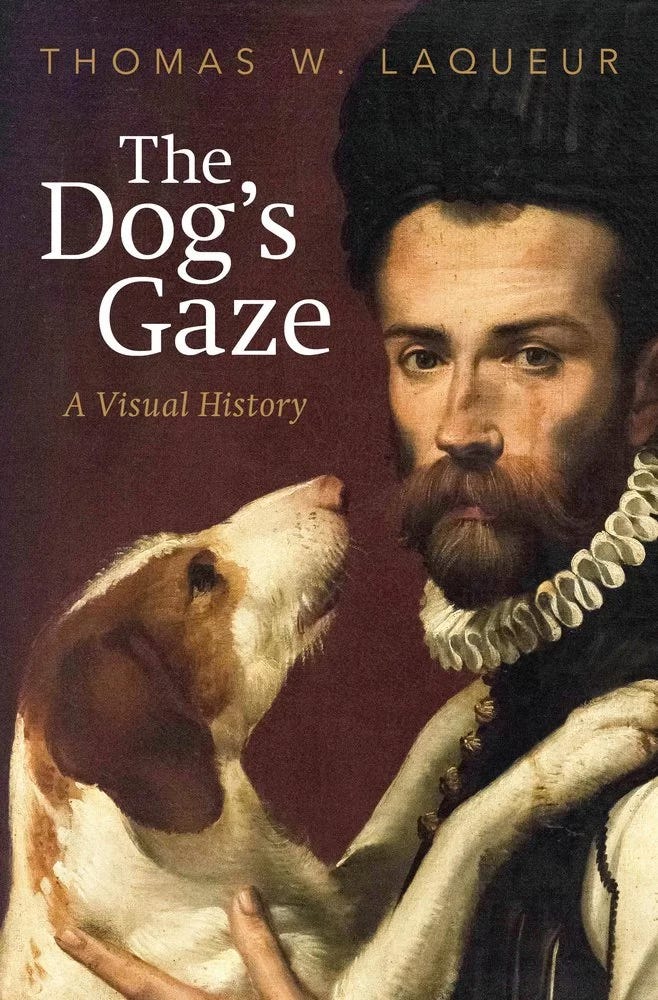
Like all great books, The Dog’s Gaze is specific and personal. Many people could write a book about dogs in art, but only Thomas Laqeuer could write this one and it shows. I read it over the course of several months, savoring the experience of being in community with Laqeuer’s unique intelligence informed by deep knowledge and also a good helping of feeling that he brought to his subject matter.
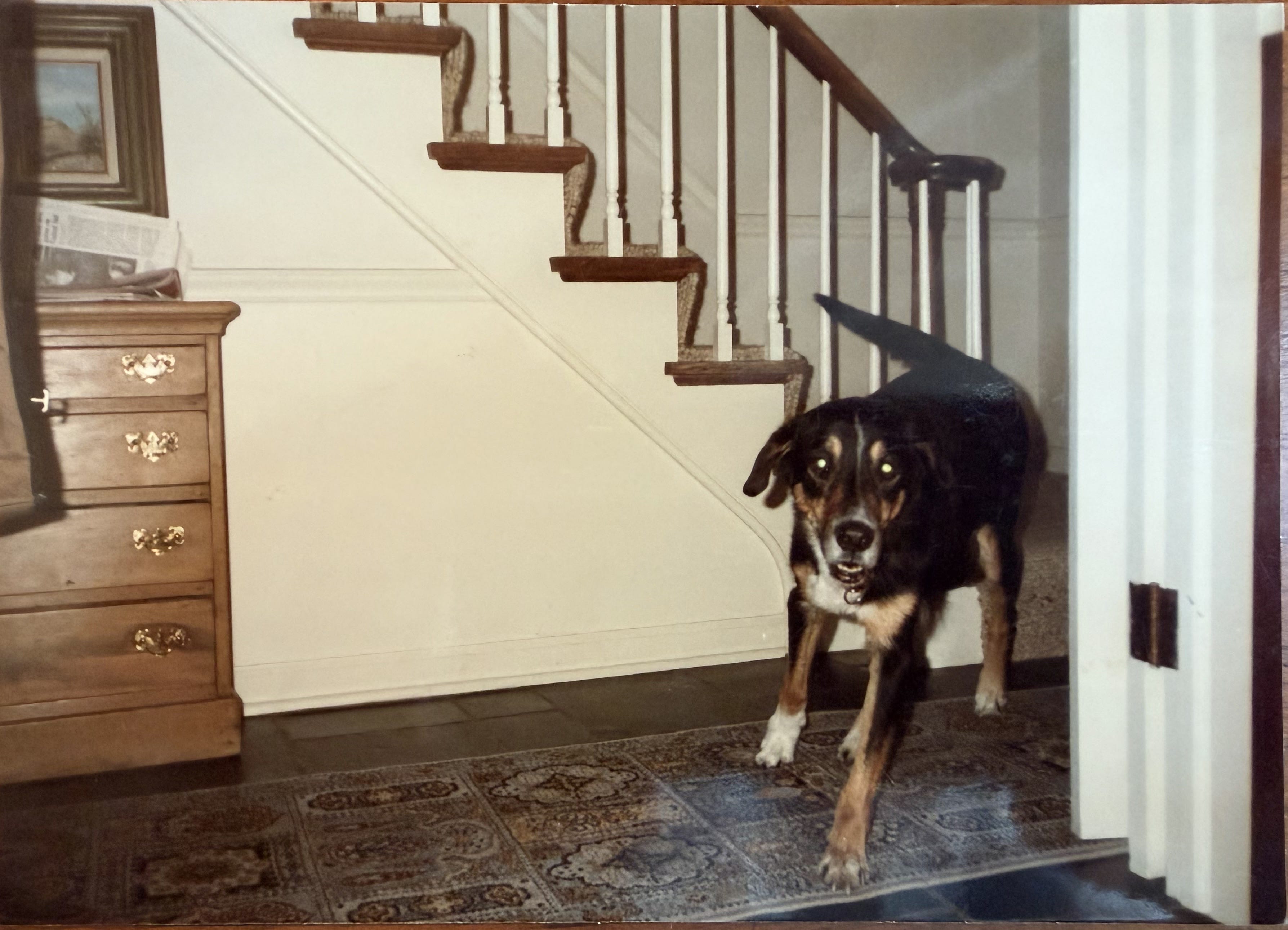
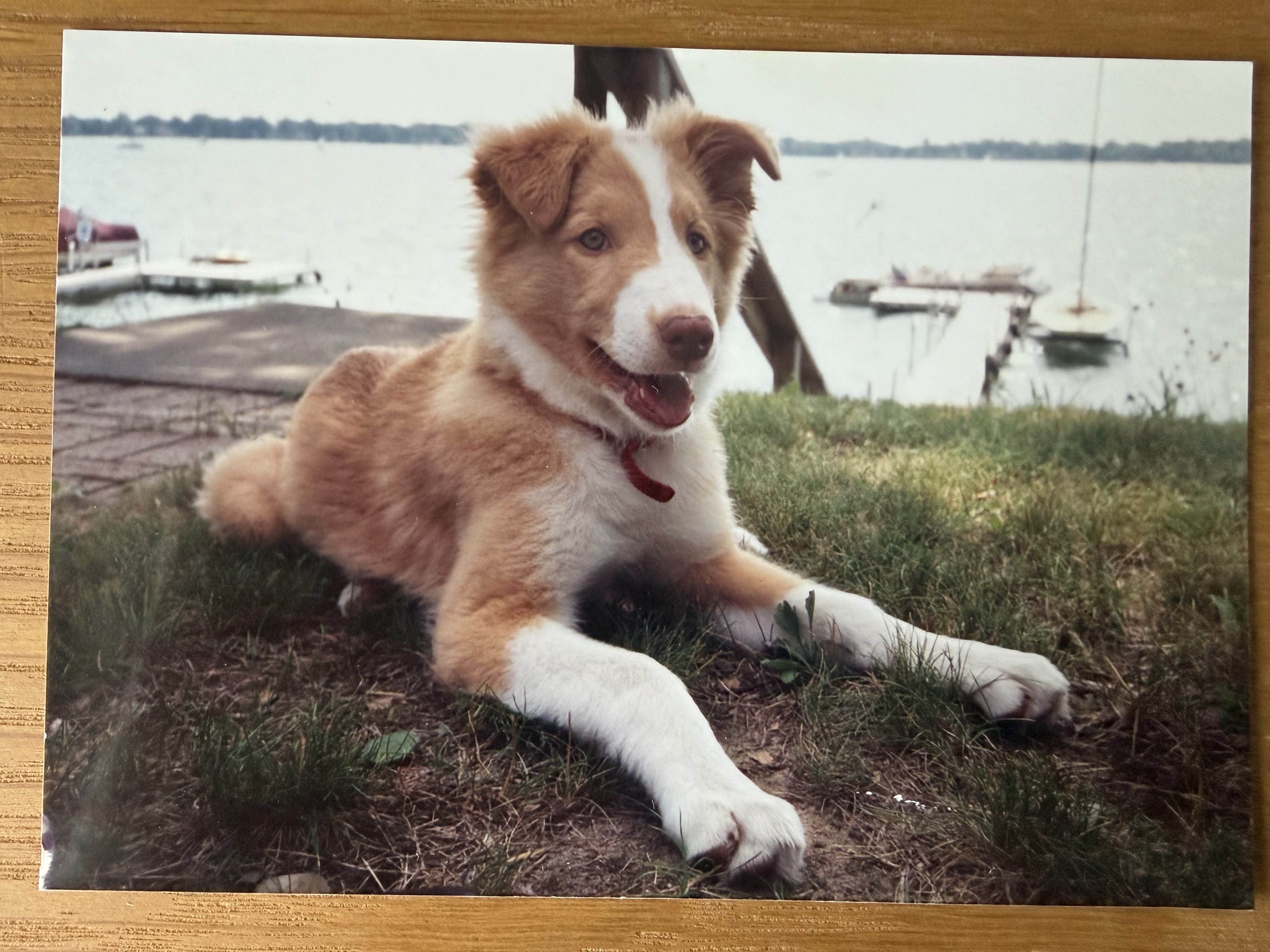
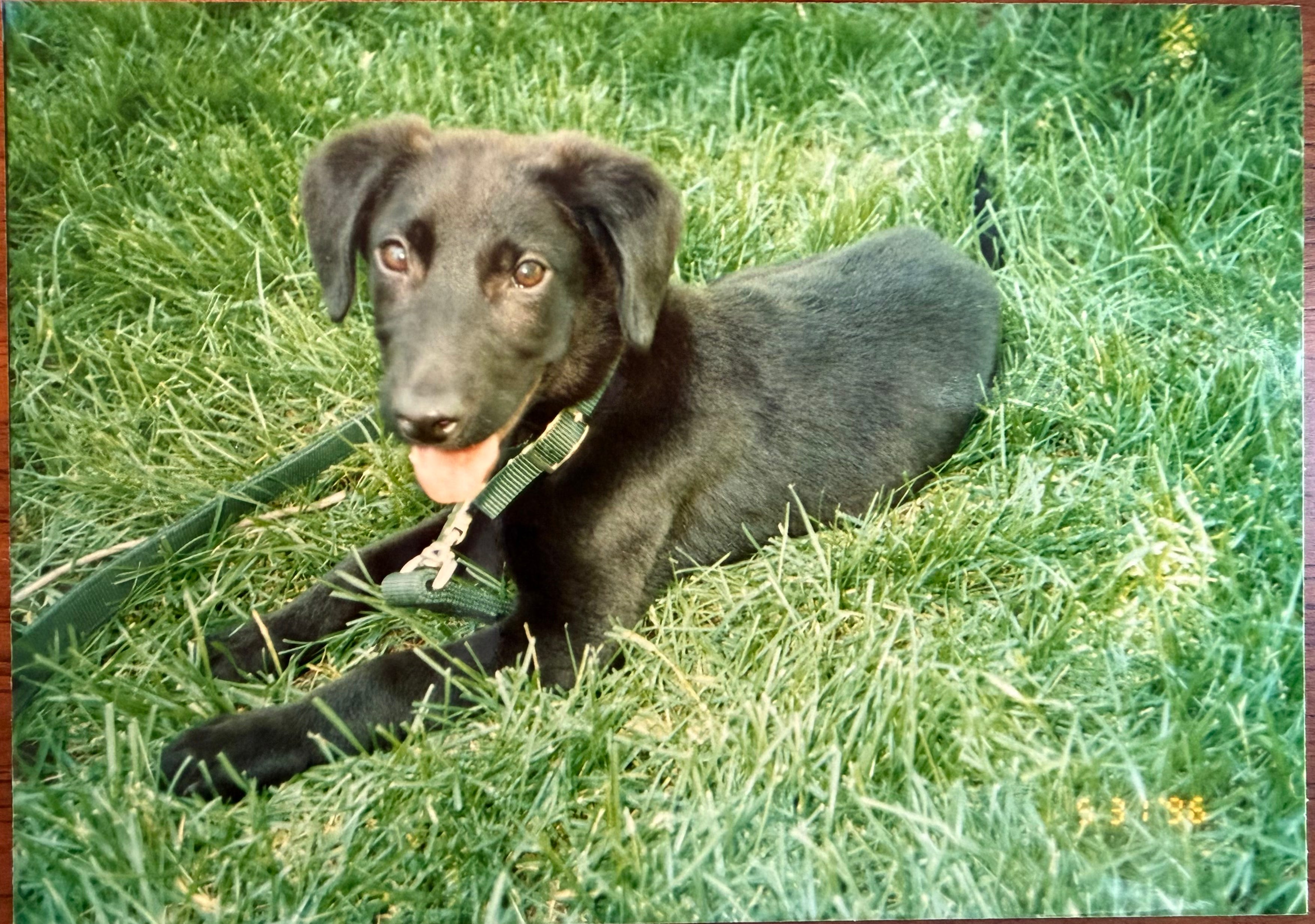
The vision for the post was that I would pair a book about dogs to each of the dogs I’ve had in my life, seven in total: Melvin, Sam, Scully, Oscar, Truman, Quincy, and Baxter.
I instantly knew several of the pairings (e.g., Sam, my companion in graduate school, and Steinbeck’s Travels with Charlie) and believed I could figure out the rest through the process of writing, thinking and feeling my way through my life with these dogs and the many dog-related books I’ve read. I would attempt to say something interesting about both the books and the dogs, maybe 400-500 words per pairing which would make for a long, but manageable post with plenty of adorable photos to carry folks along.
As I went to try to wrap up the section on Oscar (paired with the dogs of The Story of Edgar Sawtelle) the word count clocked in at 7500. I went back and read what I’d done and realized that I once I got rolling on a dog I could not stop unspooling the memories, our first meetings, our lives together, and with the exception of Quincy and Baxter who are with us today, their ultimate demises.
I had lost track of two things in this writing over the course of a few hours Friday afternoon and Saturday morning: 1. Time and 2. An audience that would want to read it.
Losing sight of the audience is pretty rare for me because of the nature of what I must publish every week. That column for the Chicago Tribune must clock in at 600 words, give or take a few. At Inside Higher Ed I am constantly aware of trying to push a message and philosophy toward learning and educational structures that will resonate with the people literally working inside higher education.
One of the byproducts of doing a newsletter like this for a few years is building the sense that not only is there an audience, but a kind of specific, self-selecting audience, particularly among the paid subscribers who have generously voted with their wallets to support the enterprise while receiving no additional benefits over anyone else.
I take this all very seriously and try to keep it in mind every week. Even as I work through whatever is on my mind, I’m monitoring what I perceive as the audience’s possible reactions, seeking greater clarity, impact, and entertainment for whatever I’m producing.
I like that challenge! Even from a young age my writing was better when I thought someone might be paying attention and now that at least some people are paying attention, I’m motivated to give them something worth paying attention to.
But this post about the dogs and books…I lost that connective thread and instead just went deeper and deeper inside, a kind of exploratory indulgence I don’t often have time for or maybe the fortitude to persist through as this writing detaches from that specific audience and you follow a thread through your memory and psyche unearthing things you didn’t know were there.
It was great, in terms of the experience of the writing. Cranking out 7500 words over a few hours is not an everyday occurrence, at least for me.
As that not-even-completed draft presently stands, it is not great as an experience for a reader, and so I am not going to share it, not out of some sense of pride, but out of respect for my audience’s time.
Writing is never not humbling, essentially an extended exercise in falling short of your hopes, but I’m glad to have my hubris over my capacity to pull off these newsletters get checked by a particularly obvious failure.
At the same time, I’m going to try to do better at remembering the necessity of the occasional writing indulgence and making more time for these sorts of explorations, just not when I have put myself on the clock to produce a coherent newsletter.
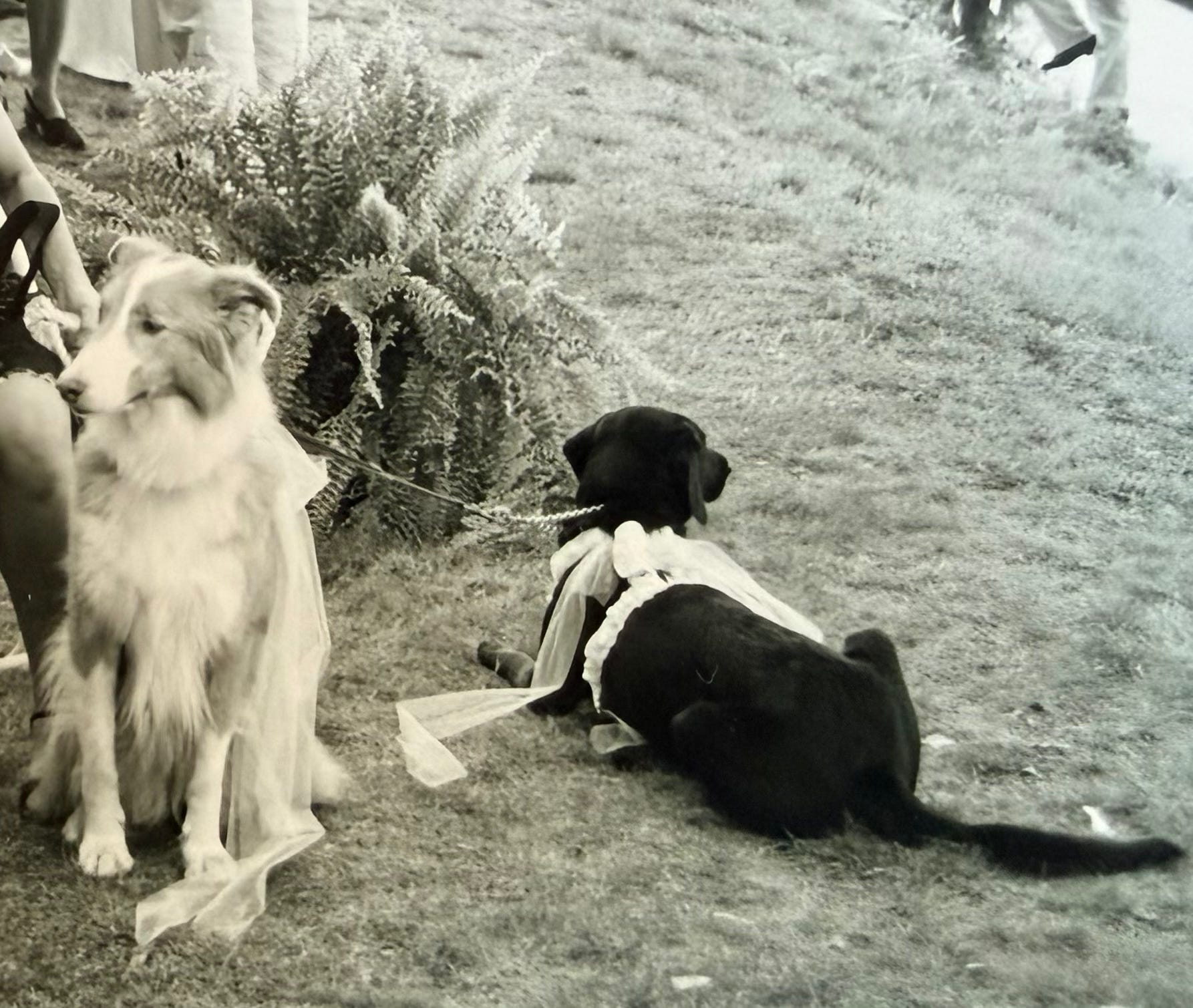
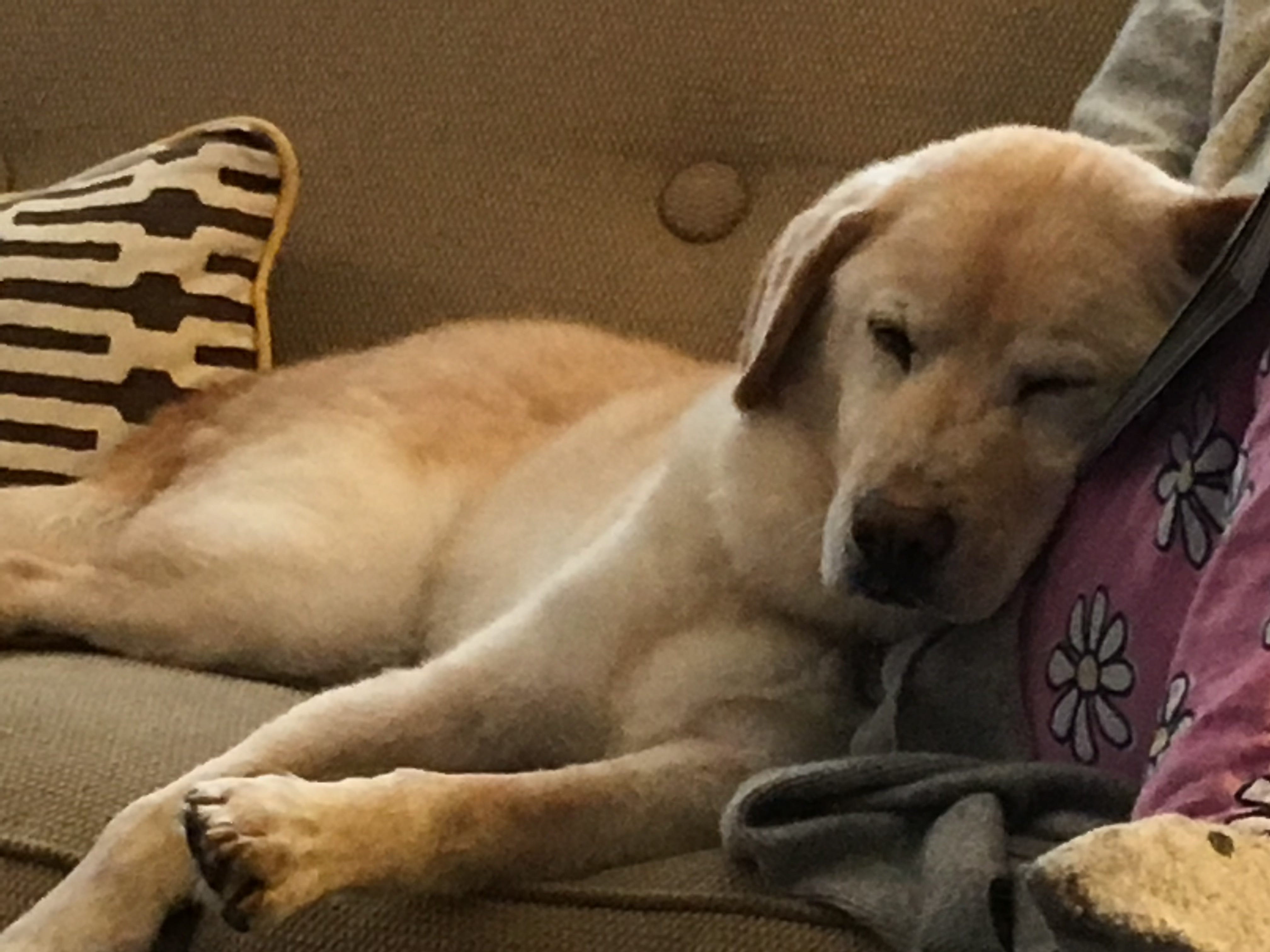
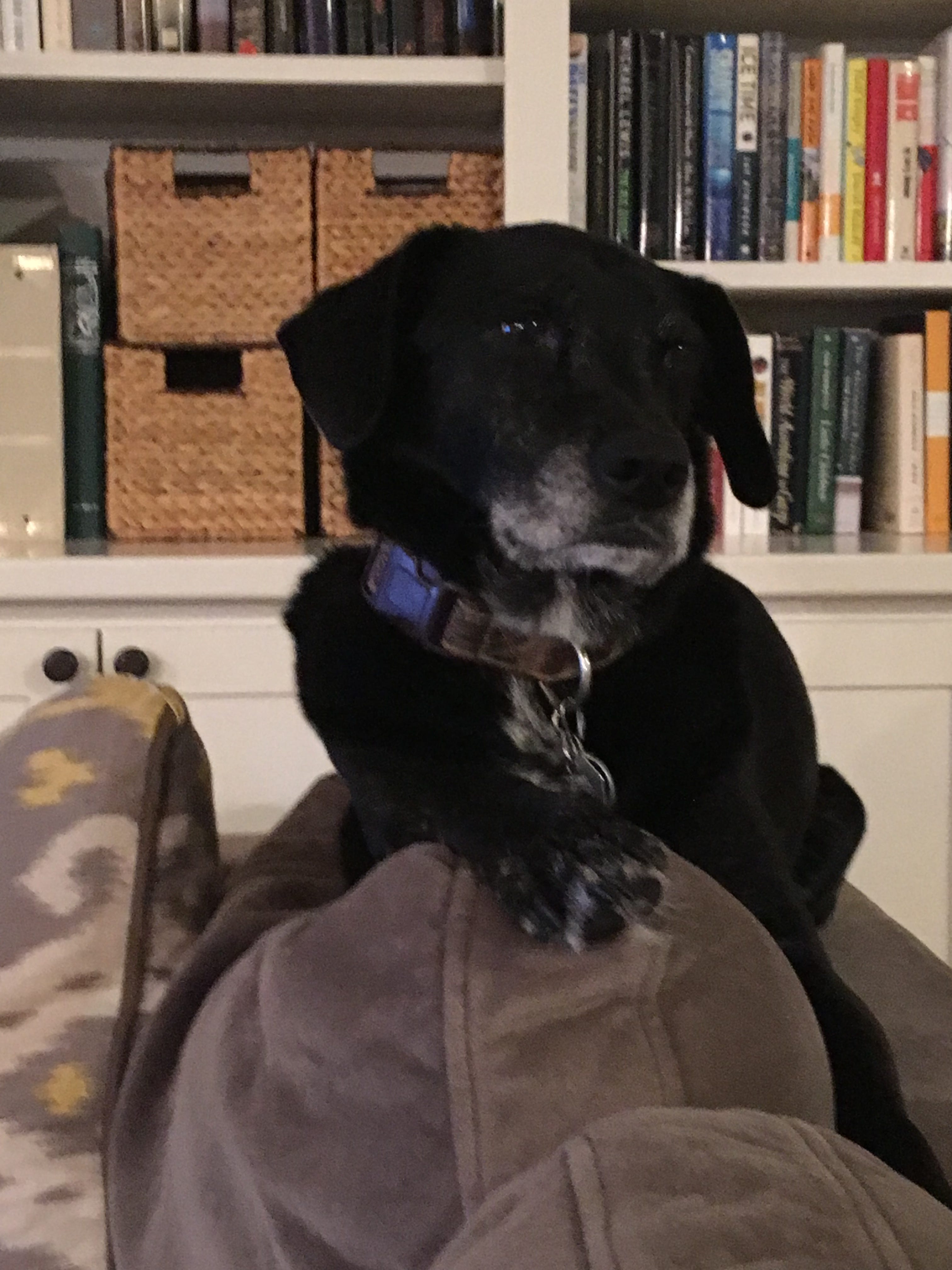
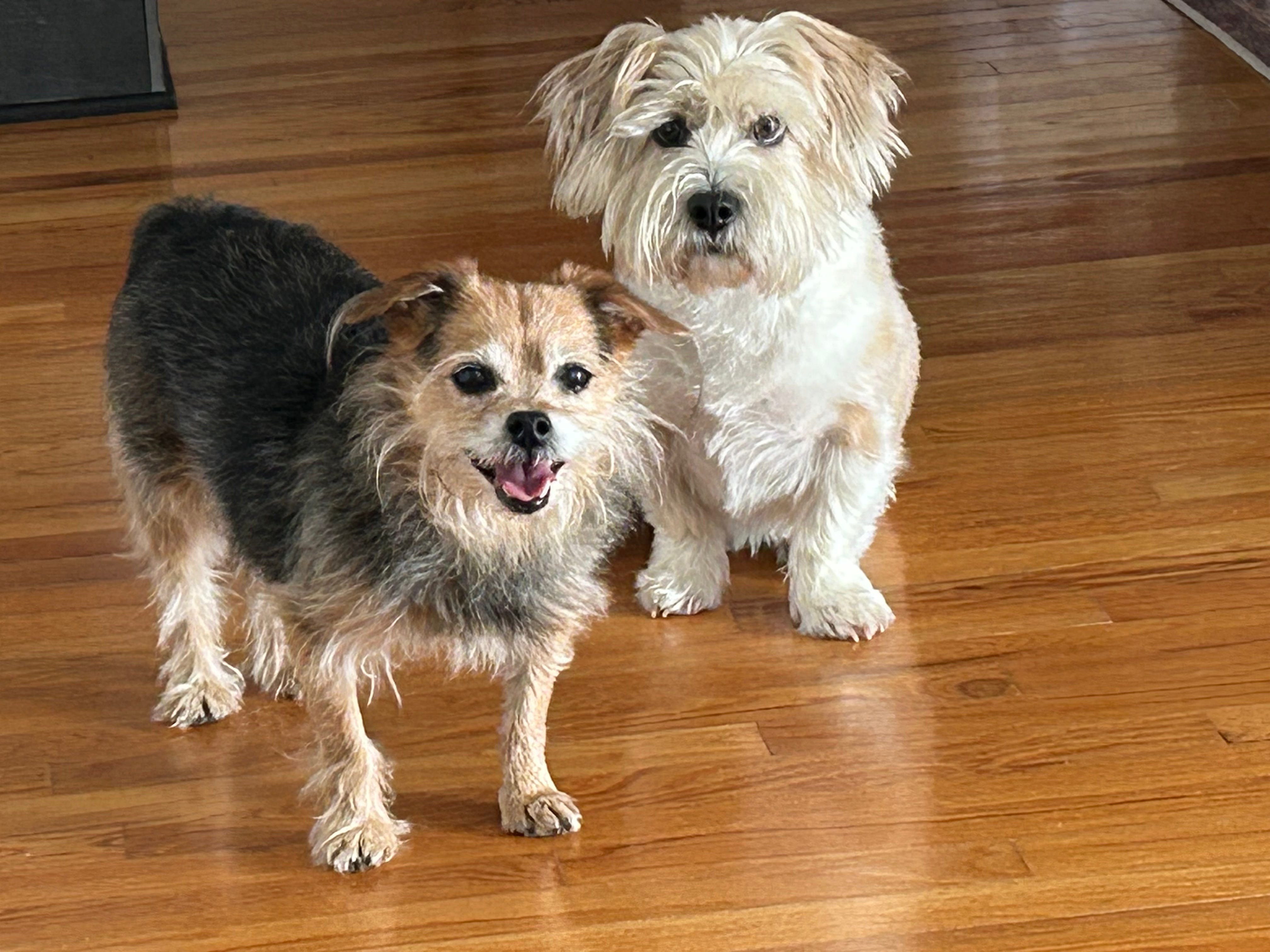
What I can leave you with is both a strong recommendation to check out The Dog’s Gaze, and some of those (I think) adorable pictures of dogs I planned on sharing.
Links
This week at the Chicago Tribune I explored my conflicted feelings about book “modernization.”
On Substack notes there has been chatter about a “science of writing” which is not a thing and is a notion that should not be indulged. At my (for now dormant) newsletter, Engaged Education I previously debunked this idea a couple years ago.

I continue to be a sucker for Nathaniel Roy’s posts where he shows the book cover designs that didn’t make the cut.
Since I didn’t come through with much this week, let me recommend a longish, thoughtful read from Brian Merchant on “Understanding Luddites in the Age of AI.”
Matt Dinan offered a powerful reflection of what happens when you give students the choice to learn.
And via my friends McSweeney's and in honor of the holiday, “Unsung Heroes of Fatherhood” by Wendy Aarons and Johanna Gohmann.
Recommendations
A couple of more than usual to make up for the main piece.
1. Five Ways to Forgiveness by Ursula K. Le Guin
2. Clear by Carys Davies
3. To Catch a Thief by David Dodge
4. “Stories of Your Life and Others” by Ted Chiang
5. Lavinia by Ursula K. Le Guin
Elizabeth T. - Concord, MA
A few months back Lincoln Michel wrote about Gene Wolfe’s Peace and I read it, so now I’m passing that on to Elizabeth.
1. True Grit by Charles Portis
2. Milkman by Anna Burns (WOW)
3. Strangers by Belle Burden
4. The Laughing Policeman by Martin Beck
5. A recent edition of Best American Poetry
Susie B. - Santa Cruz, CA
I think I might have recommended this book recently either here or my Tribune column, but I’m doing it again because it’s the right book for Susie: The Sisters Brothers by Patrick deWitt.
1. London Falling by Patrick Radden Keefe
2. The Dying Grass by William T. Vollmann
3. Cat’s Cradle by Kurt Vonnegut Jr.
4. The Tree Collectors by Amy Stewart
5. The Sons by Franz Kafka
Sylvia N. - Scottsdale, AZ
This is a bit of a risk because I have not looked at this book since I read it when it was first published in 2013, but it popped to mind in looking at this list so what the heck? The Son by Philipp Meyer.
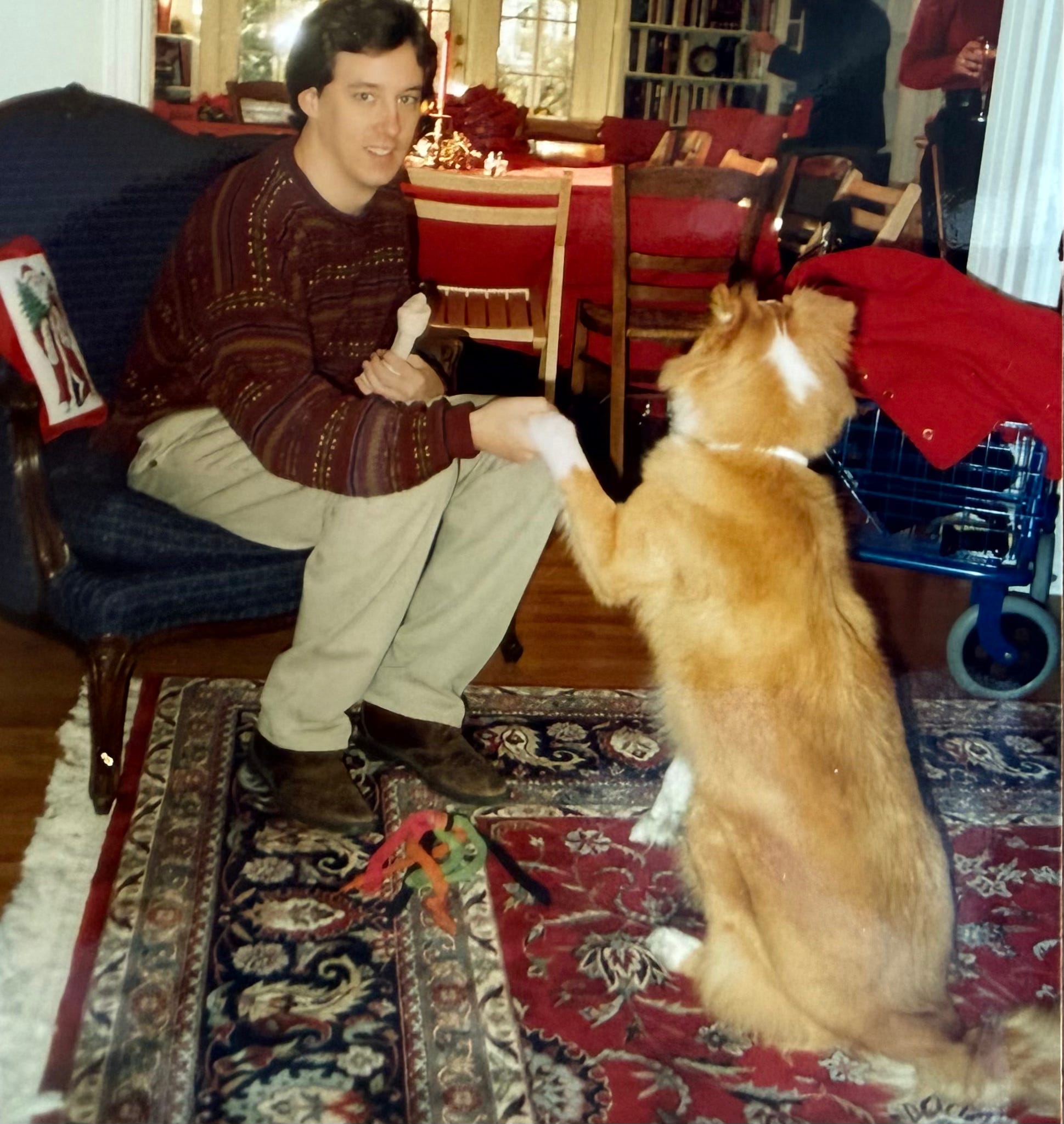
One more dog picture. The only dog I ever had who could do a trick and I didn’t teach it to her.
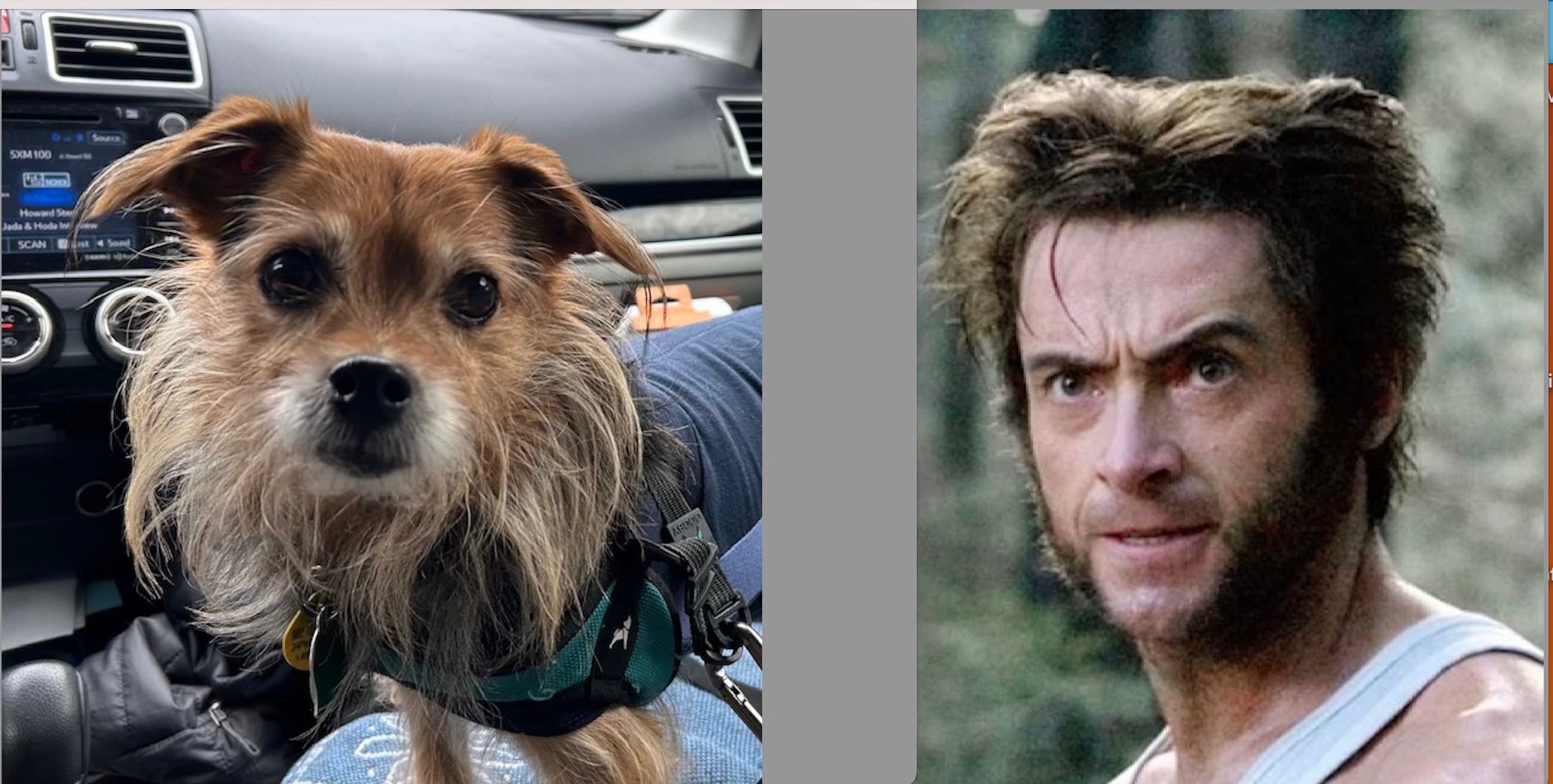
Here’s Quincy with his doppelgänger.
Enough John. No one cares about your dogs like you do, but that’s how it should be.
Bonus interview coming Tuesday, so be on the lookout for that.
JW
The Biblioracle
If one is going to blow a writing assignment, blowing a piece about one's dogs is perhaps the most forgivable, even more forgivable than a too-long essay about one's children.
I appreciate your thoughtfulness. Self-indulgent writing is some of the best writing. I’d love to read your 7500 words about each of your dogs, though! I love the concept of pairing a dog with a book about dogs. It sounds like a great writing experience! I hope one day you’ll find an outlet for that particular piece.